

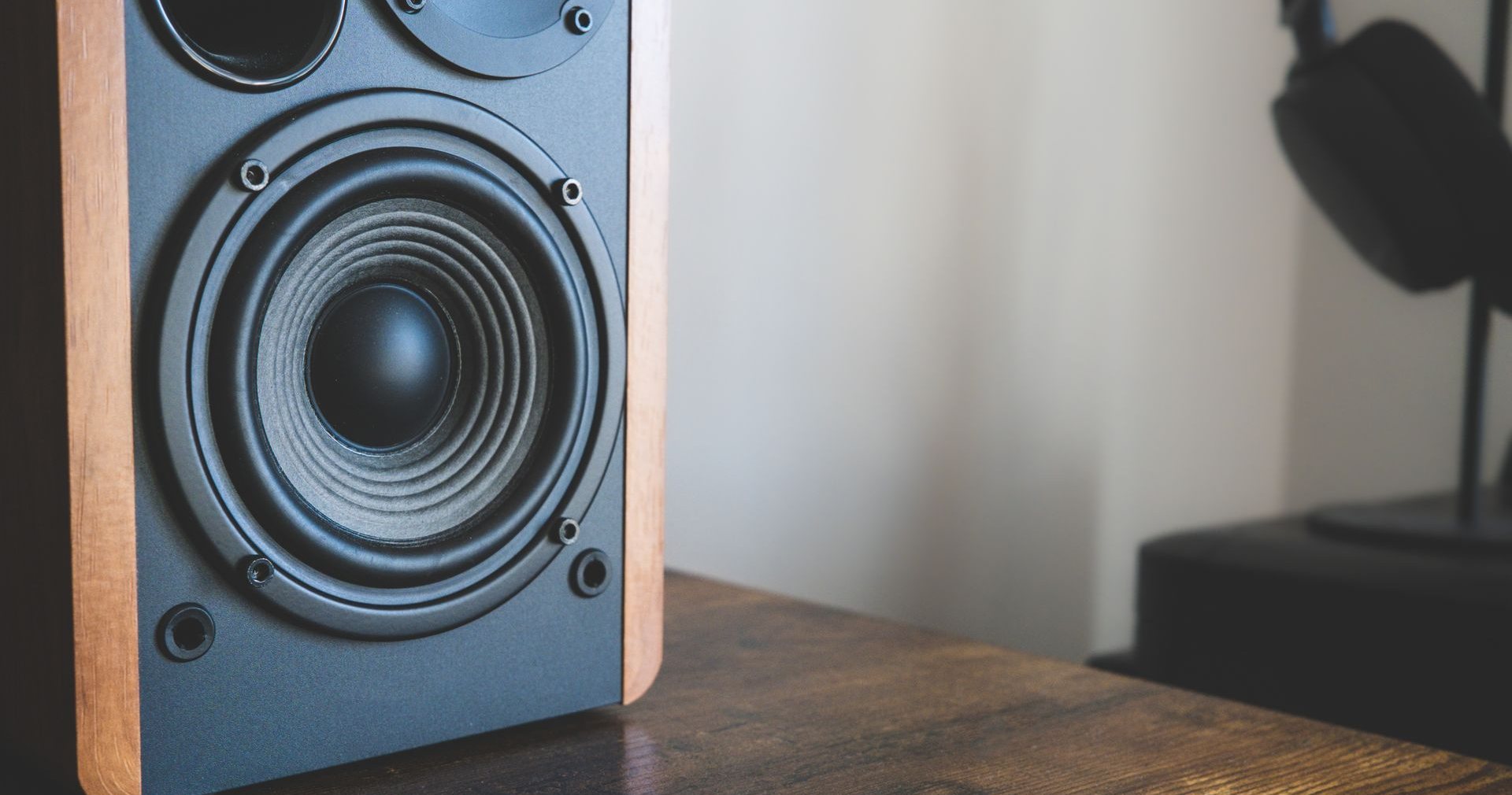
Nobody daydreams about speaker stands. Yet the unglamorous furniture holding your system routinely makes a bigger audible difference than upgrades costing five times as much — and it is one of the few areas where the physics is refreshingly simple.
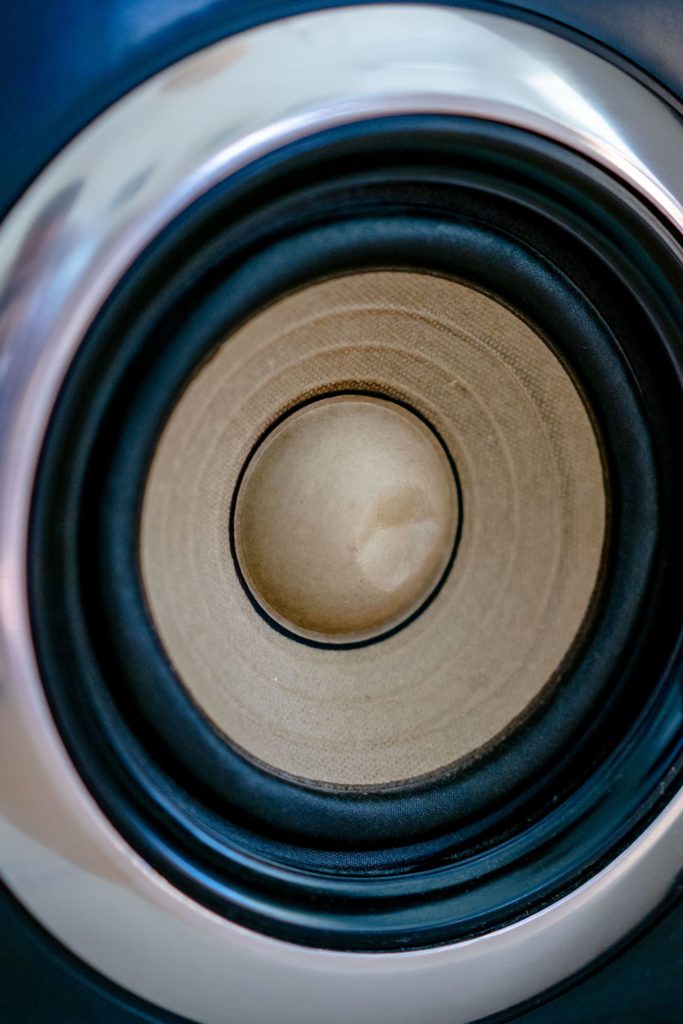
Speakers: stop the cabinet dancing
A loudspeaker works by moving air precisely. If the cabinet rocks on a wobbly surface, that precision smears — bass softens, images blur. Standmount speakers need proper stands: rigid, the right height (tweeters near ear level), with the speaker firmly coupled on top. A bookshelf is where the name came from, not where the performance lives.
Spikes, pads and the floor question
Spikes anchor stands and floorstanders through carpet to the solid floor beneath. On suspended timber floors that can transmit boom instead — isolation pads under the spikes often work better. Rule of thumb: couple to solid, isolate from bouncy, and listen to which your room prefers.
Electronics: rigid beats ornamental
Turntables care enormously about what they sit on (see our setup guide); amplifiers mostly want rigidity and ventilation. A purpose-built rack like the Blok furniture we stock provides both without the wobble of decorative units — and looks after cable routing too.
Where the money stops mattering
Beyond rigid, level and well-ventilated, returns diminish quickly. Exotic isolation is a refinement for resolving systems, not a rescue for shaky foundations — foundations first, always.
Feel the difference
The stands demonstration is our favourite party trick: the same speakers on a shelf, then on proper stands. Thirty seconds settles it — arrange a visit and hear what the furniture was hiding.
Found this guide useful, or got questions? We’re happy to talk it through — no hard sell, just straight answers. Contact us or call 01743 234945.