

Few subjects divide hi-fi people like room correction. To some, software like Dirac Live is the most significant advance in decades; to others it’s heresy — a computer “fiddling” with the signal purists spend fortunes keeping pure. We stock equipment with it built in, so here is our honest position.
What Dirac Live actually does
Using a microphone, it measures how your room mangles what the speakers produce — and every room does, especially in the bass, where peaks and dips of ten decibels or more are common. It then applies precise, measured corrections so what reaches your ears is closer to what was recorded. It is not an effect or a tone control; it is an apology on your room’s behalf.
The case against
Purists argue correction treats symptoms: fix the room, position the speakers properly, and you need less of it. They are not wrong — no software rescues a poor setup, and correction applied heavy-handedly above the bass can drain life from a system. Our room acoustics guide and careful placement remain the foundations.
The case for
Real rooms have sofas where absorbers should be and doorways where speakers ought to stand. Below about 300Hz, no amount of furniture shuffling fixes physics — and that is exactly where Dirac is at its best. Used judiciously, bass tightens, the midrange clears, and the system finally sounds like it did in the showroom.
Hear it switched in and out
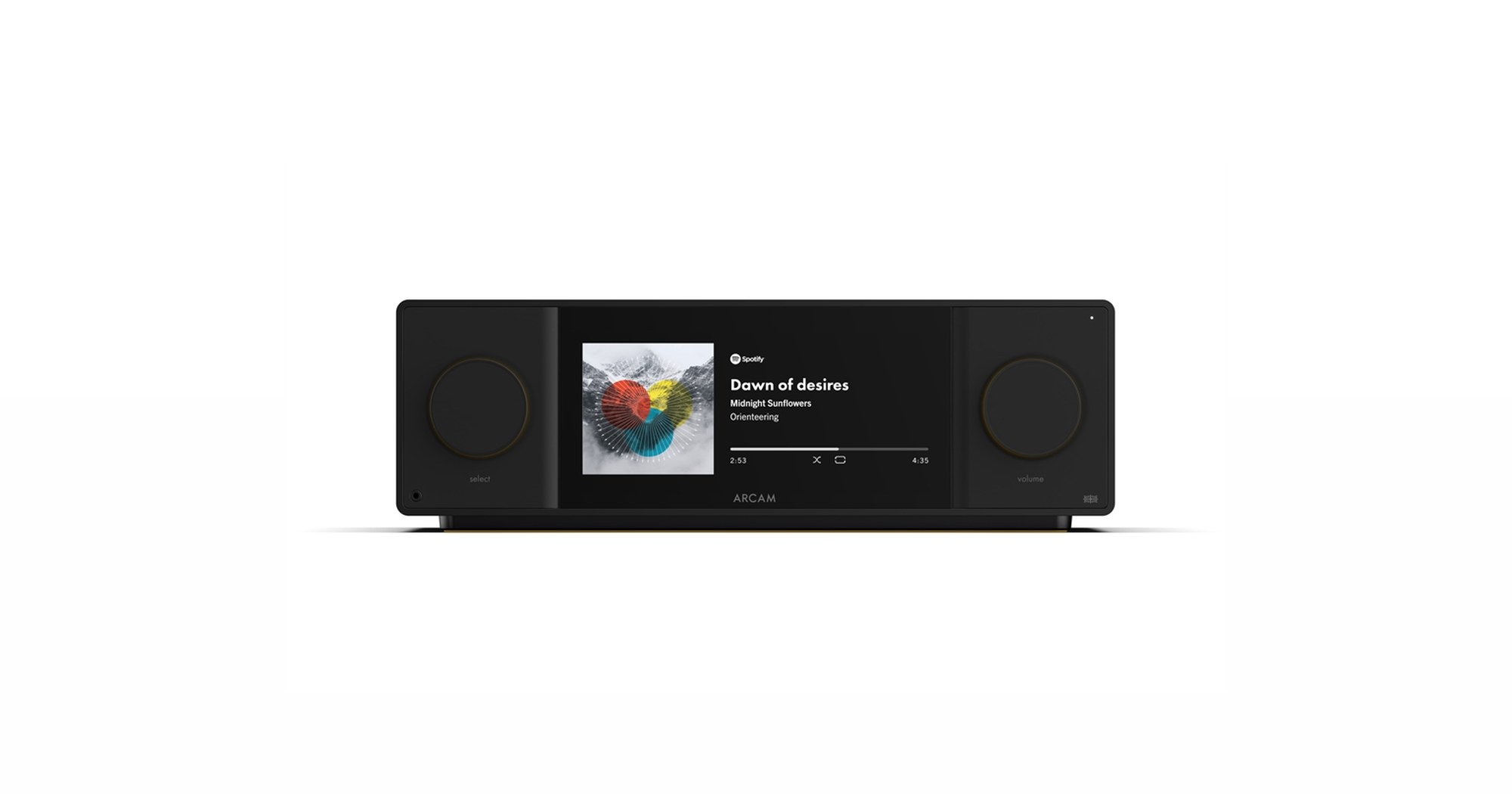
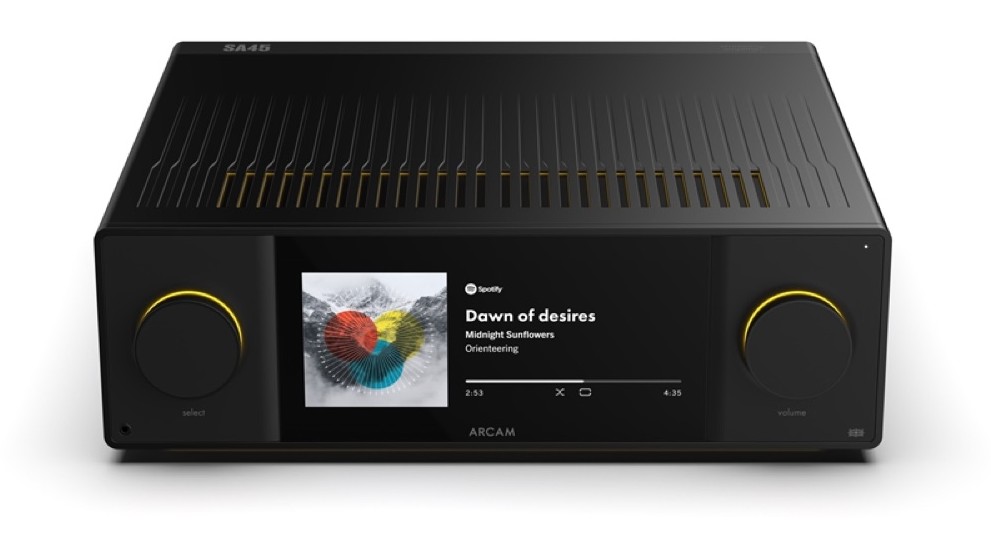
Arcam builds Dirac Live into its streaming amplifiers — the SA35 and flagship SA45 we stock — and the acid test takes thirty seconds: same track, correction on, correction off. Arrange a demonstration and judge the controversy with your own ears; we’ll happily play devil’s advocate on both sides.
Found this guide useful, or got questions? We’re happy to talk it through — no hard sell, just straight answers. Contact us or call 01743 234945.