

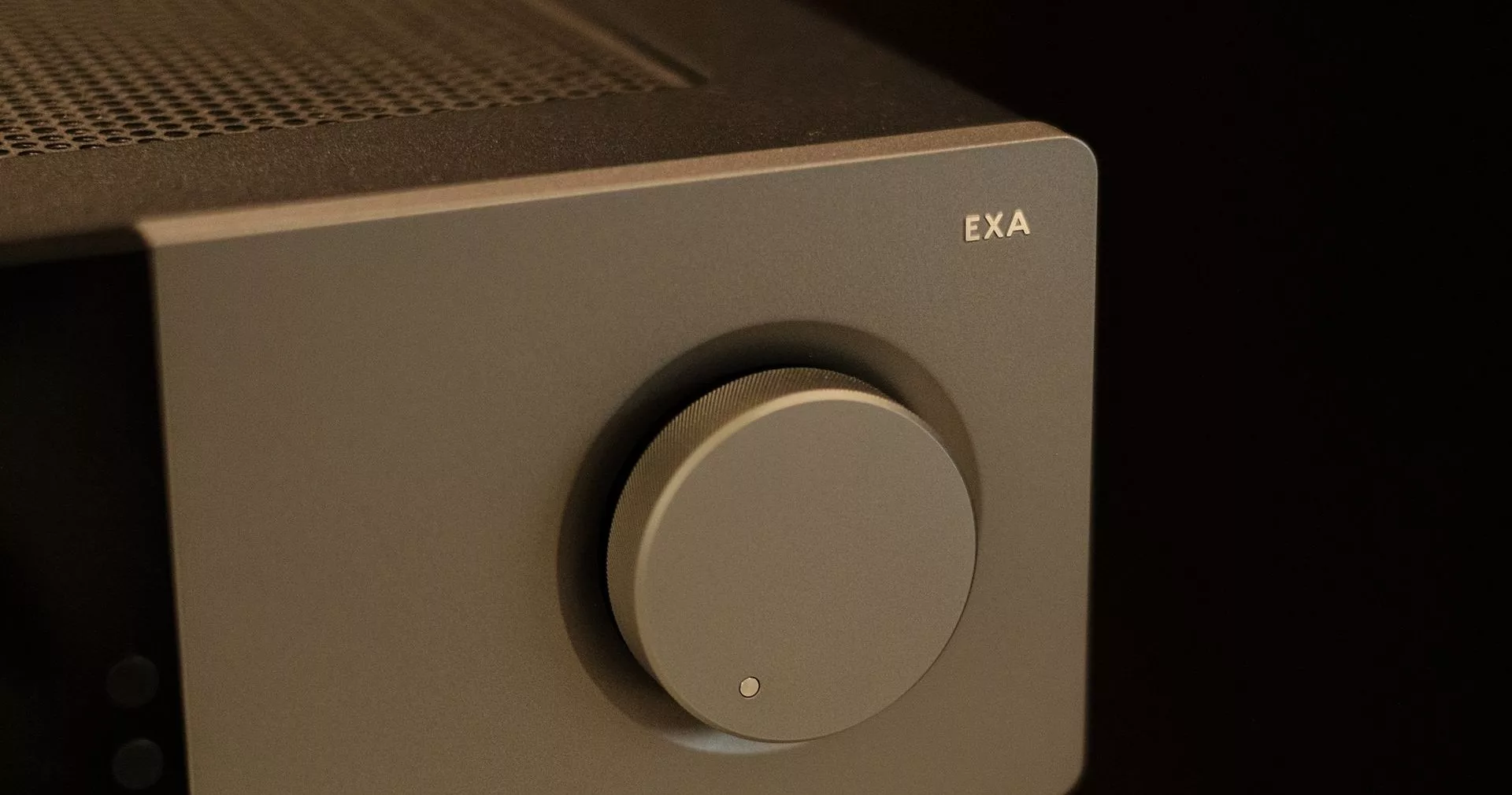
Walk into any hi-fi forum and you’ll learn that “real” systems use separate pre- and power amplifiers. Walk into our listening room and you’ll hear something more nuanced: the best integrated amplifiers ever made are being built right now, and for most people they are the smarter buy.
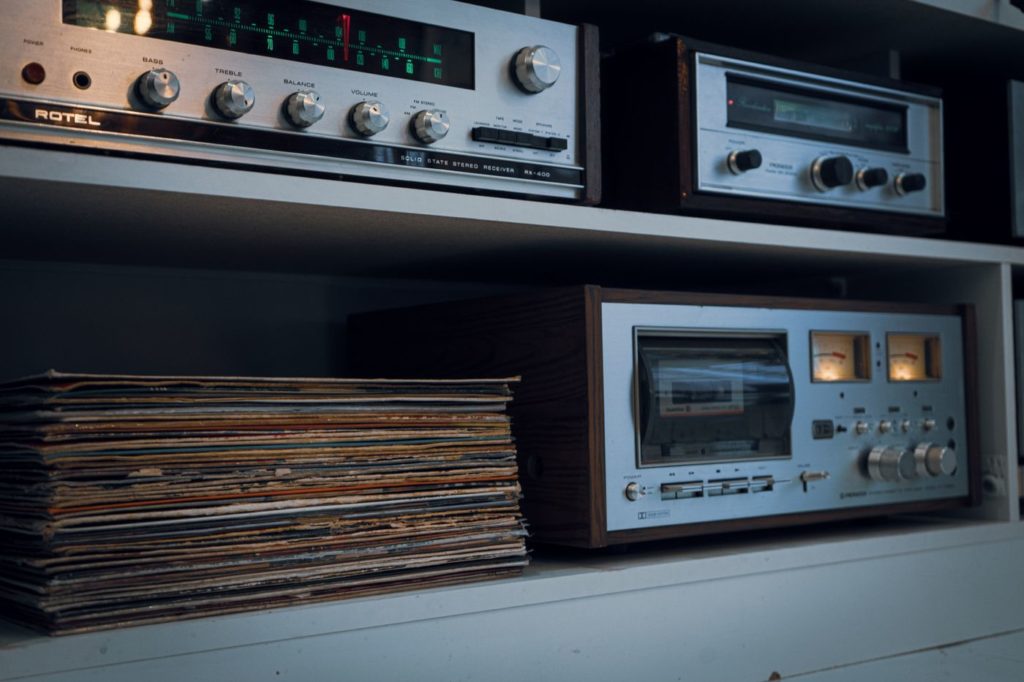
Why separates existed
Splitting the delicate preamplifier from the brawny power amplifier kept noise away from signal and let each box excel. With yesterday’s engineering that separation bought real advantages — and at the top end, it still can.
Why integrateds caught up
Modern layout, shielding and power-supply design squeezed most of that advantage into one enclosure. An integrated like Musical Fidelity’s M6si is internally two monoblocs and a preamp sharing a case — and Arcam’s Class G range puts genuine muscle behind one volume control. One box, one set of interconnects, no matching headaches, less shelf space.
When separates still make sense
Truly demanding loudspeakers, very large rooms, or an upgrade path you want to walk in stages — power amp now, preamp later. At the flagship level — think Musical Fidelity’s Nu-Vista 800.2 driving Monitor Audio’s Platinum range in our showroom — the engineering budget of a single magnificent integrated blurs the debate entirely.
What is actually inside the box
An amplifier does two quite different jobs. The preamplifier chooses the input and sets the volume, handling tiny, delicate signals. The power amplifier takes the result and delivers real current to the loudspeakers, fed by a large transformer and a bank of reservoir capacitors. That power supply is an electrically noisy neighbour, which is why the two jobs were first given separate cases. A well-designed integrated answers the same problem inside one case: separate supplies for the small-signal circuits, careful layout, and shielding where it counts.
The modern twist: streaming and DACs built in
Many integrated amplifiers now include a DAC, a phono stage, network streaming and an HDMI socket for the television — just add loudspeakers. That is a real convenience, and for a living-room system it is often the right answer. The one caution is that digital features date faster than amplification does. Look for ordinary analogue inputs and a preamp output as well, so the amplifier can outlive its streaming module: when the app is eventually retired, you add a separate streamer and carry on.
The halfway house
That preamp output is also an upgrade path. An integrated with pre-outs can later be partnered with a separate power amplifier — either to take over entirely or to share the work — which gives you the staged upgrade people buy separates for, without paying for two cases on day one.
Four questions that settle it
How hard are your loudspeakers to drive? How big is the room, and how loudly do you listen in it? Do you want to upgrade in stages, or buy once and stop thinking about it? And how many boxes will the household tolerate on show? Answer those honestly and the choice usually makes itself.
The honest answer
Buy the best amplification your budget allows in the fewest boxes that achieve it. More boxes means more cables, more shelf, more spent on casework — only pay that toll when the loudspeakers genuinely demand it. Hear both approaches through the same speakers: arrange a demonstration and settle it in an afternoon.
Found this guide useful, or got questions? We’re happy to talk it through — no hard sell, just straight answers. Contact us or call 01743 234945.