

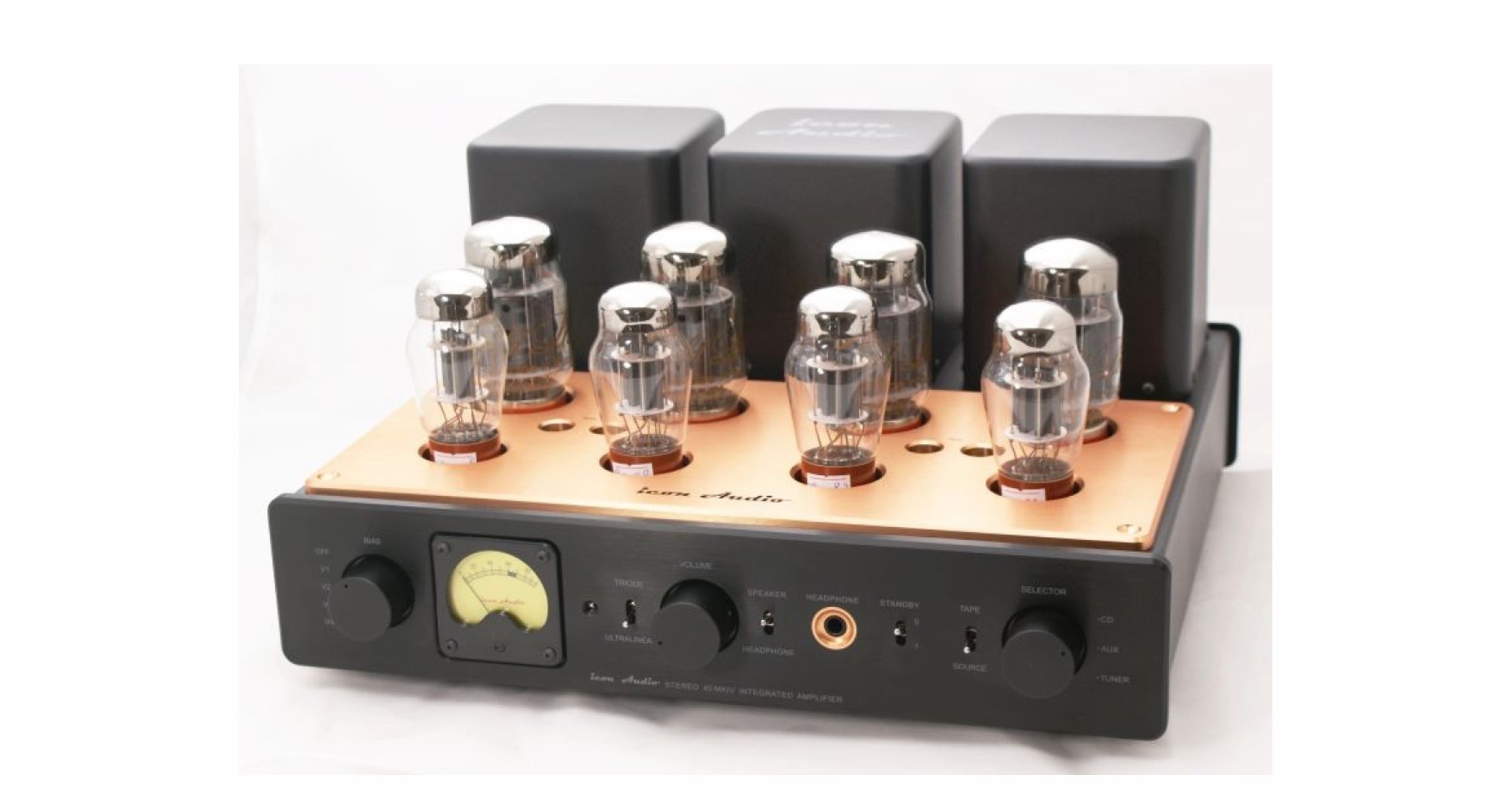
Walk into our listening room and you’ll usually find two very different kinds of amplifier warmed up and playing: solid-state designs from the likes of Arcam and Musical Fidelity, and hand-built valve amplifiers from Icon Audio. Ask which is better and you’ll get an honest answer: neither. They’re different tools for the same lovely job, and the right one depends on your loudspeakers, your room and — above all — your ears.
What a transistor amplifier does well
Transistor (solid-state) amplification is the default for good reason. Watts are plentiful, so difficult or insensitive loudspeakers stay firmly under control. Bass is typically tighter and more damped, background noise is vanishingly low, and there’s nothing to maintain — switch it on and it simply works, year after year.
Modern solid-state designs have also shed the old accusations of sounding grey or clinical. An Arcam A15 or a Musical Fidelity M6si is anything but sterile; both are refined, musical amplifiers you can listen to all day.
What a valve amplifier does differently
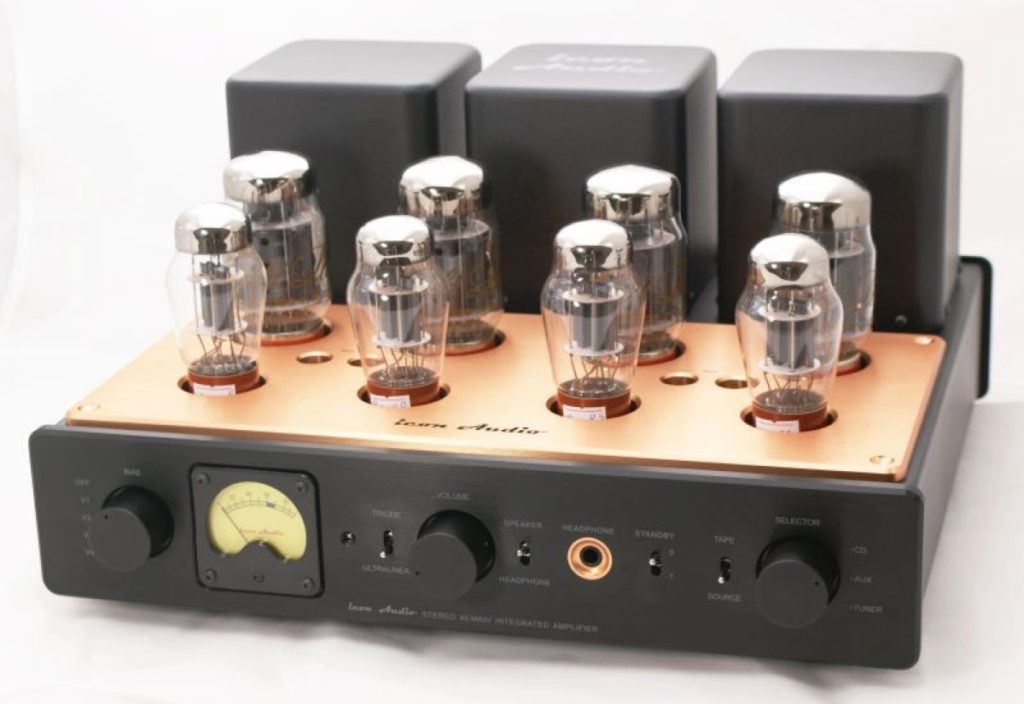
A valve amplifier makes its power differently — music flows through glowing glass valves rather than silicon — and with the right loudspeakers the results can be spellbinding. People reach for the same words when they first hear one: natural, spacious, alive. Voices and acoustic instruments in particular can take on a dimensionality that’s genuinely hard to let go of once you’ve heard it.
It isn’t magic, and it isn’t measurable perfection either — a valve amplifier flatters music in ways a laboratory would frown at. But hi-fi is for listening, not measuring, and plenty of experienced listeners decide the valve way of making music is simply their way.
The honest caveats
Valves ask a little more of you. The amplifier runs warm, output valves are consumables that eventually need replacing (typically after some years of normal use), and watts are dearer — so partnering loudspeakers need to be reasonably sensitive and benign. Some designs also need occasional bias adjustment, although models like Icon Audio’s Stereo 40 make that painless with a built-in meter.
Solid-state’s caveat is subtler: with the wrong pairing a system can end up technically impressive but emotionally flat. That’s rarely the amplifier’s fault alone — it’s a matching problem, which is exactly why we demonstrate complete systems rather than boxes in isolation.
So which should you choose?
Our advice is simple: don’t decide from a forum thread. The differences are real but they’re smaller — and more system-dependent — than the internet suggests. Sensitive loudspeakers in a medium room with a vinyl or acoustic-leaning collection? A valve amplifier deserves a serious audition. Power-hungry floorstanders, a big room, or a household that wants set-and-forget reliability? Solid-state is probably your friend. Many of our customers end up somewhere pragmatic: a solid-state system for every day, and a lasting curiosity about valves.
Hear both, side by side, in Shrewsbury
This is one comparison that genuinely has to be heard, so we keep both kinds of amplification set up in the listening room. As authorised dealers for everything we stock — including Icon Audio‘s hand-built valve amplifiers from Leicester — we can sit you down with the same loudspeakers and the same music, and simply swap between transistor and valve while you listen. Ten minutes of that beats ten hours of reading.
See what’s on demonstration at the moment, arrange a listening appointment, or call us on 01743 234945 — and if you already own a system you’re wondering about, our upgrades page explains how we approach improving what you have.
Found this guide useful, or got questions? We’re happy to talk it through — no hard sell, just straight answers. Contact us or call 01743 234945.