

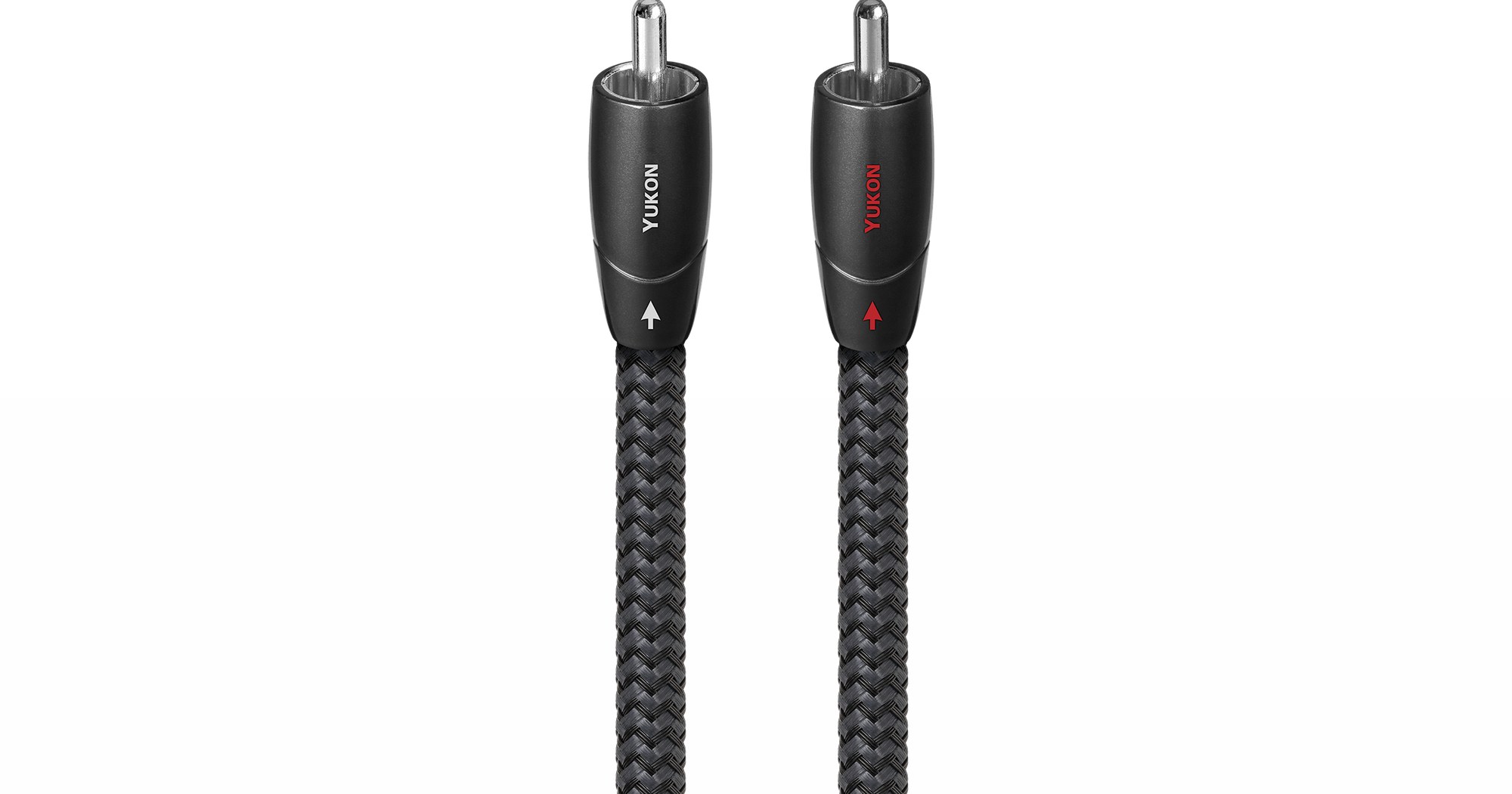
Turn a serious amplifier around and you’ll usually find two kinds of analogue input: familiar RCA phono sockets, and the bigger three-pin XLR connectors borrowed from the studio world. One is “unbalanced”, the other “balanced” — and the internet will happily tell you the balanced one is better. The truth, as usual, is more interesting.
What the difference actually is
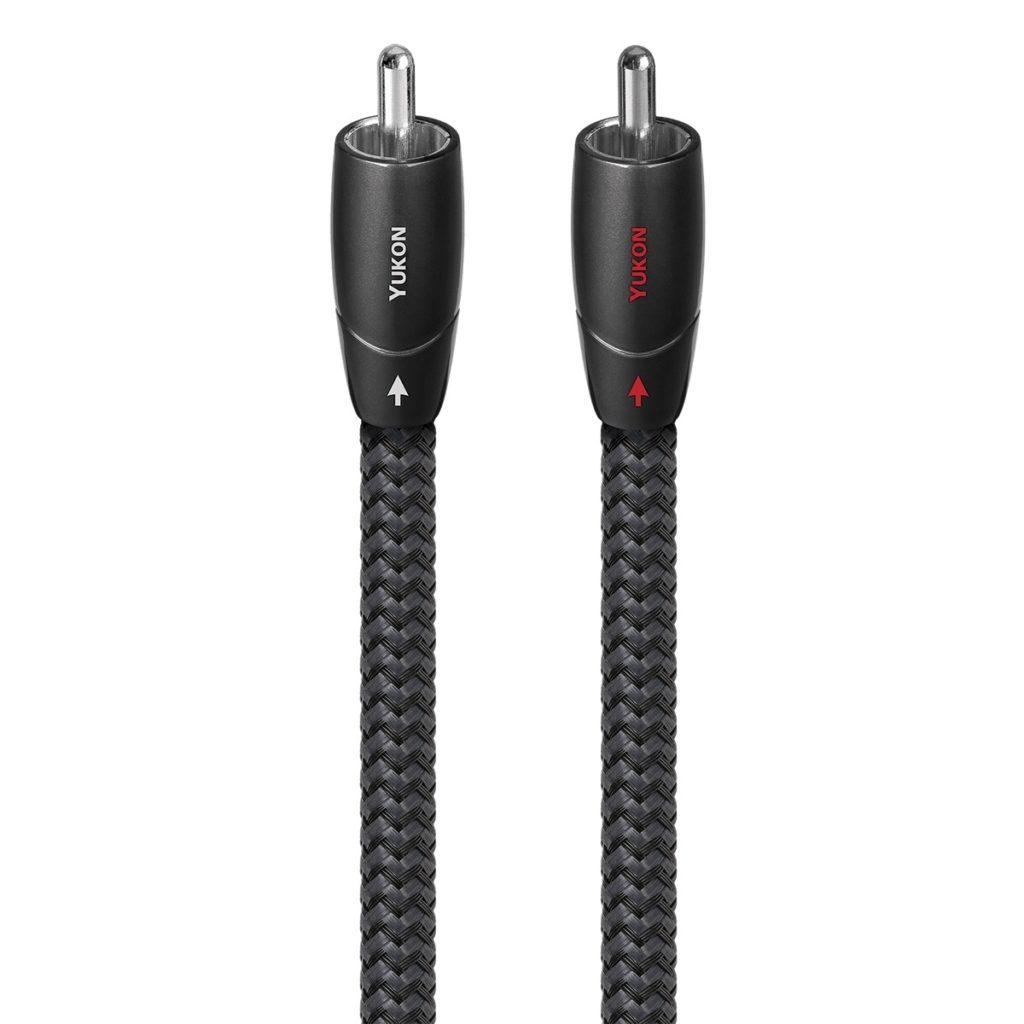
An unbalanced (RCA) cable carries the music on one conductor with a screen around it. A balanced (XLR) connection carries the signal twice — once inverted — and the receiving equipment subtracts one from the other. Any interference picked up along the way appears identically on both copies, so the subtraction cancels it. Clever, and in studios with fifty-metre cable runs, essential.
Why it matters less at home
Domestic cable runs are a metre or two. Over that distance a well-made unbalanced cable in a normal home picks up vanishingly little noise, which is why superb systems have been built on RCA for seventy years. Balanced connections only deliver their theoretical advantage when both components are genuinely balanced inside — on some equipment the XLR socket is convenience rather than engineering.
When balanced genuinely earns its keep
Long runs (amplifier across the room), electrically noisy houses, and equipment designed balanced from the ground up — think of Musical Fidelity’s larger amplifiers, or the “True Balanced” connection on Pro-Ject’s X2 B turntable, which keeps a cartridge’s naturally balanced signal balanced all the way to a suitable phono stage.
Our honest advice
Choose components for how they sound, not for the sockets on the back. Where a system offers a true balanced path we’ll try it both ways in the demonstration — sometimes it wins, sometimes it makes no audible difference, and hearing that for yourself beats any forum thread. Our honest guide to cables covers the rest, or arrange a demonstration and we’ll set the comparison up.
Found this guide useful, or got questions? We’re happy to talk it through — no hard sell, just straight answers. Contact us or call 01743 234945.